
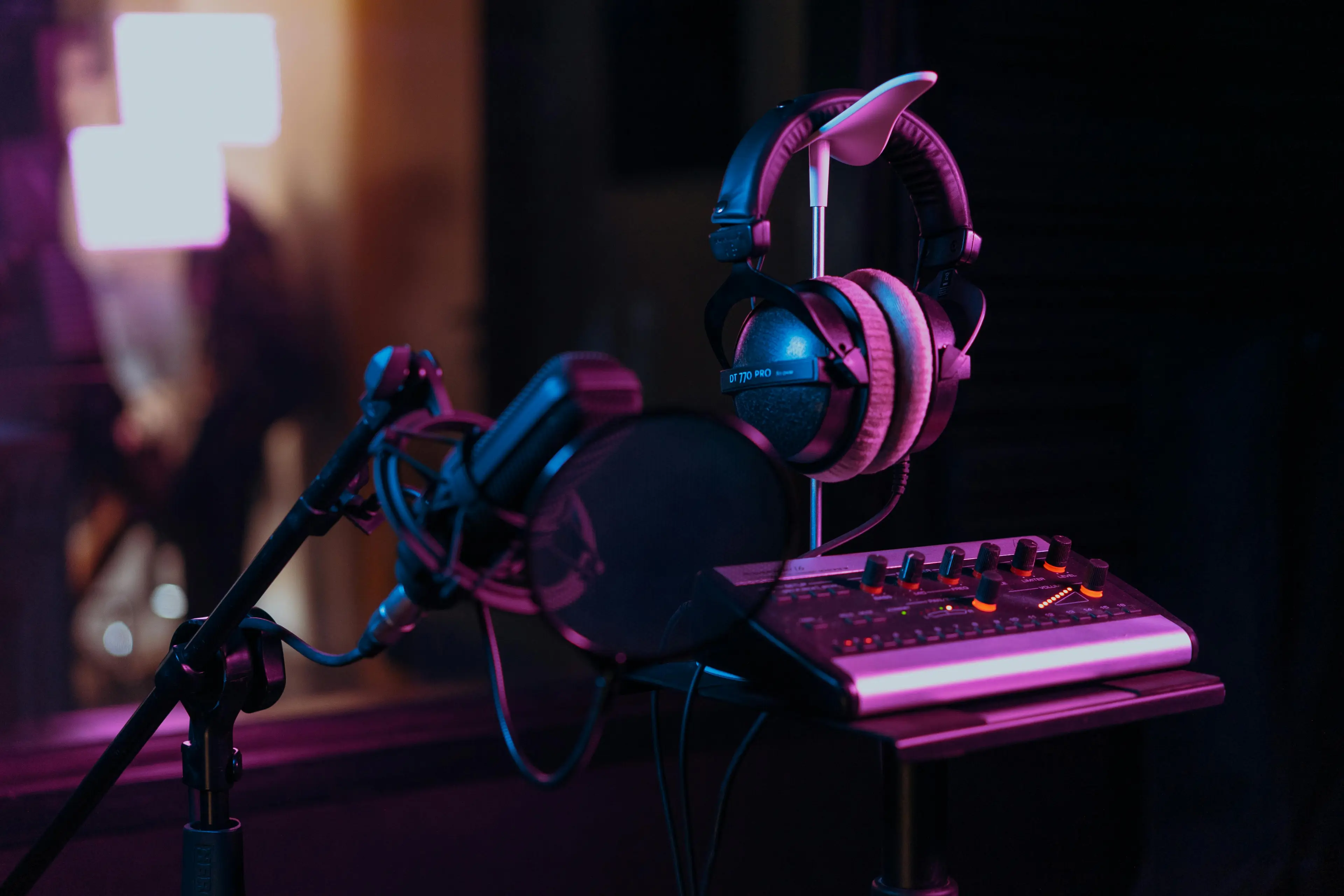
What is Speech Recognition Technology?
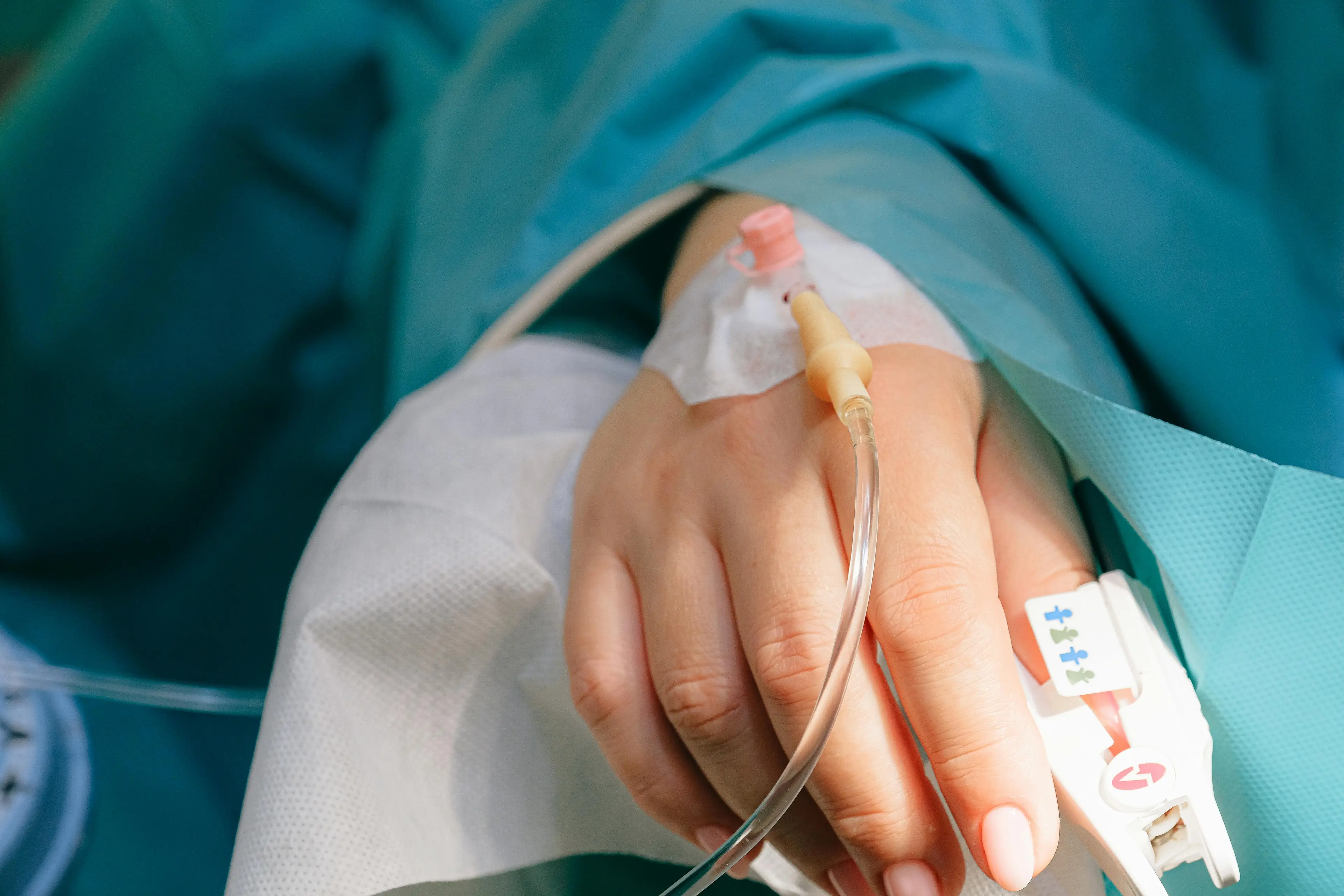
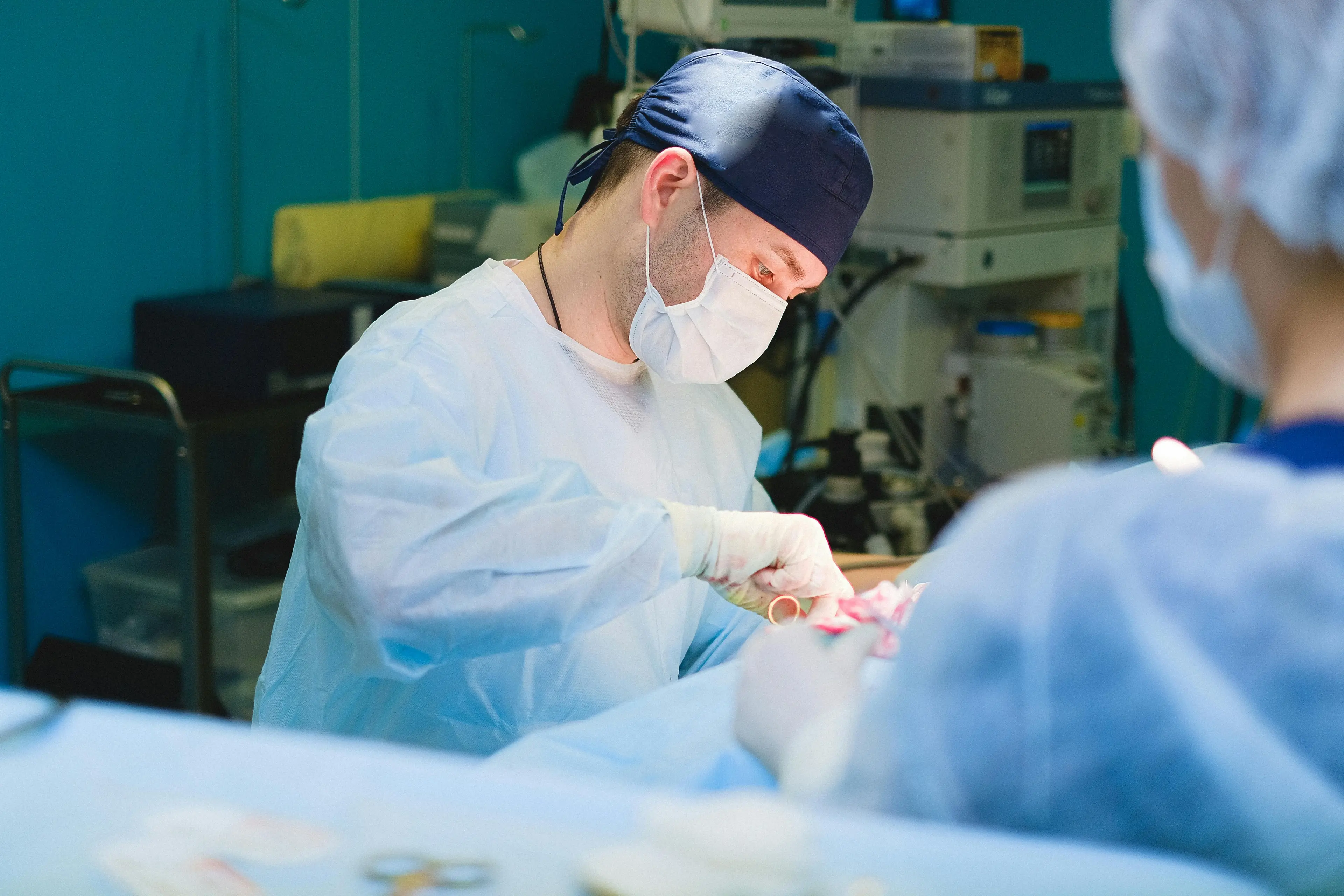
Speech recognition is becoming essential in healthcare because it reduces the time clinicians spend typing and documenting, allowing them to focus more on patient care instead of administrative tasks. By converting speech directly into structured medical notes, it improves efficiency, lowers physical strain, and helps ensure more accurate, real-time documentation, which ultimately leads to better patient outcomes and smoother workflows across the entire care team.
Speech recognition technology is one of the most transformative innovations of the digital age. It allows machines to understand, process, and respond to human speech, bridging the gap between spoken language and digital systems. From smartphones and virtual assistants to healthcare documentation and customer service, speech recognition is quietly powering countless everyday interactions.
The Basics: Turning Voice into Data
At its core, speech recognition is about converting spoken words into machine-readable input:
- Sound capture: A microphone picks up the speaker’s voice.
- Signal processing: The analog sound waves are converted into digital data that computers can analyze.
- Pattern recognition: The system identifies distinct sounds and matches them to words using complex algorithms.
The result is a text or command output that machines can understand and act upon.
How It Works: From Words to Understanding
Modern speech recognition involves several key steps:
- Acoustic analysis: Breaking down speech into phonemes — the smallest units of sound.
- Language modeling: Understanding which word combinations are most likely based on context, grammar, and common usage.
- Machine learning: AI models are trained on massive datasets of spoken language, learning to recognize accents, dialects, and variations in speech.
- Natural language understanding (optional): For more advanced applications, the system interprets intent, enabling actions like sending messages, searching the web, or controlling devices.
In essence, the technology transforms sound waves into meaningful digital information.
Common Applications
Speech recognition is everywhere, often in ways we take for granted:
- Virtual assistants: Siri, Google Assistant, Alexa, and Cortana respond to voice commands.
- Healthcare: Doctors and nurses use voice-to-text systems to update electronic health records in real-time.
- Customer service: Automated phone systems and chatbots interpret spoken requests.
- Smart devices: TVs, thermostats, and home appliances respond to voice commands for hands-free operation.
- Accessibility: Speech recognition empowers people with disabilities to interact with technology more easily.
This versatility shows the wide-reaching impact of the technology across industries and daily life.
Benefits of Speech Recognition
- Efficiency: Reduces the time spent typing or navigating interfaces.
- Accuracy: Modern systems can achieve high accuracy in transcription, even in complex domains like medicine or legal documentation.
- Hands-free operation: Enables multitasking and accessibility, essential for busy environments like hospitals or factories.
- Enhanced communication: Facilitates translation, dictation, and voice-controlled interactions.
By turning voice into actionable data, speech recognition saves time, reduces errors, and makes technology more intuitive.
Challenges and Considerations
While powerful, speech recognition still faces hurdles:
- Background noise: Crowded or loud environments can interfere with accuracy.
- Accents and speech variation: Diverse pronunciation and speech patterns require adaptive AI models.
- Complex terminology: Specialized fields like healthcare, law, or engineering demand custom vocabularies.
- Privacy: Voice data must be securely processed and stored to protect users’ confidentiality.
Overcoming these challenges requires a combination of advanced algorithms, training datasets, and user-centered design.
Speech Recognition in a Tool for Healthcare Professionals
Healthcare professionals are an essential part of our society and saving their time and energy for the actual medical work, rather than administrative business such as patient documentation, is the main goal of Inscripta products. In addition to the above-mentioned considerations, the healthcare professional expects the speech recognition tool to provide:
Fast speech-to-texttime: No meaningful delays between the spoken word hitting the airwaves and appearing in the text field. Any delays would cause confusion and hamper user experience significantly.
Accuracy in medical context: Medical vocabulary is very specialized and diverse, also between different medical branches. A reliable speech recognition must be familiar with a wide range of medical terminology. The generic speech recognition tools targeted for the general audience are not able to provide this, and this is essential to get the required accuracy for any tool targeted for medical healthcare use.
The Future of Speech Recognition
Speech recognition is evolving from simple dictation to intelligent voice interfaces:
- Context-aware assistants: Understanding intent, context, and previous interactions.
- Integration with AI analytics: Extracting insights from spoken data to improve decision-making.
- Multilingual capabilities: Real-time translation and global communication.
- Healthcare and enterprise adoption: Automating complex workflows and documentation for efficiency and accuracy.
The technology is no longer just about convenience — it’s becoming an essential tool for productivity, accessibility, and real-time decision-making.
Conclusion
Speech recognition technology converts the human voice into actionable digital information, making interactions with devices more natural, efficient, and accessible. From personal assistants to clinical documentation and beyond, it’s reshaping the way we work, communicate, and live.
As AI and machine learning continue to advance, speech recognition will become even more context-aware, intelligent, and integral to daily life, allowing humans to focus on creativity, problem-solving, and the tasks that truly require human attention.

Lasse Mäkinen
Sales Manager, Inscripta

Would you like to hear more about the benefits of speech recognition?
Contact us and our experts will tell you more.
Inscripta’s speech recognition solution helps all healthcare professionals document faster and stress-free.