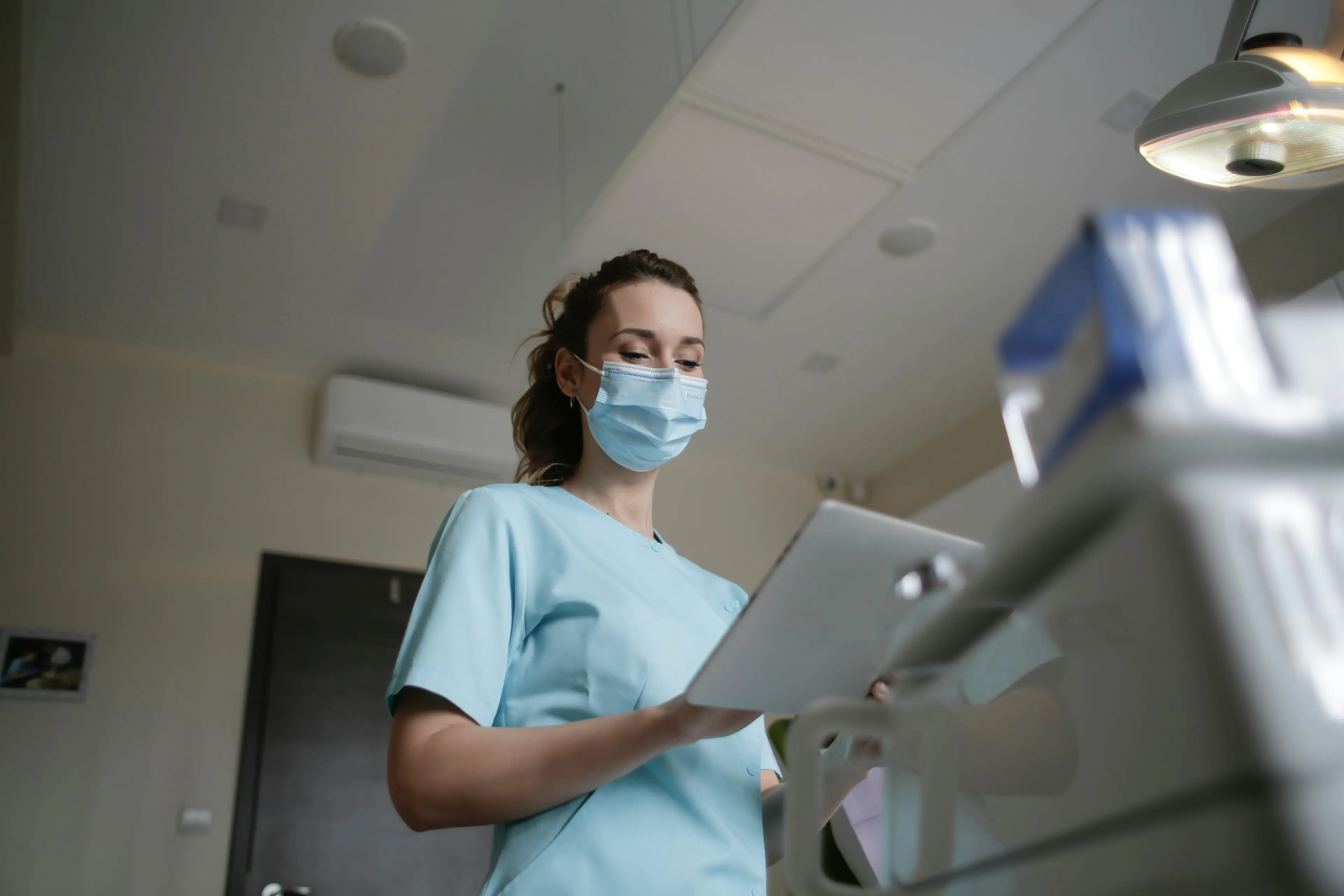
Terveystalo is using Inscripta Speech Recognition
Terveystalo is listed on Nasdaq Helsinki (TTALO) and has a predominantly Finnish ownership. In terms of revenue and network, Terveystalo is the largest private health service provider in Finland and a leading company in occupational healthcare in Nordics.
They offer a wide variety of primary health care, specialized care, and well-being services for corporate and private customers and the public sector. Network covers approximately 360 clinics across Finland. In Sweden they offer occupational healthcare services in 140 locations. The clinic network is supplemented by 24/7 digital services.
YouTube: Terveystalo x Inscripta
Why is speech recognition an important tool in healthcare?
Speech recognition means converting medical speech into text in real time. In healthcare, it can reduce the time spent on documentation, improve work ergonomics, and reduce workloads—if implemented correctly.
Speech recognition that actually makes work feel lighter. Reducing administrative burden and freeing up doctors to focus on patients.
In healthcare, time is everything. Yet, countless hours are still spent on documentation — typing notes, entering data into electronic health records (EHRs), and managing forms. For many clinicians, this administrative load has become a second job, eating into time that could be spent caring for patients.
That’s where speech recognition technology is stepping in to change the game.
The main benefits:
- Time savings: Recording can be significantly faster by speaking than by typing. Often, recording time is reduced by half or more.
- Less overtime: Documentation does not need to be done in the evening, as patient visits and their recording are completed more quickly during the working day.
- Improved work ergonomics: Less time spent sitting at a keyboard, which reduces physical strain.
- Cognitive load: Employees who handle a lot of information can focus on the patient and clinical assessment without documentation interfering with their memory and thinking.
- More accurate documentation: Many professionals make more accurate and detailed notes when speech is natural and fluent.
Who is speech recognition suitable for?
Speech recognition is particularly suitable for professionals who produce a lot of text-based documentation, such as:
- doctors (in specialist fields and primary care)
- occupational health doctors and nurses
- psychologists and therapists
- nurses who prepare statements and reports
- summary notes after phone calls and patient consultations
Successful implementation proceeds in stages. Below are the practical steps.
1. Define the goals and metrics
- Define what you want to achieve: faster recording, less overtime, better quality documentation.
- Set metrics: recording time per visit, user satisfaction, number of EHR entries, number of errors.
2. Pilot with a small group
- Select a pilot group representing a few different professional groups.
- Test different use cases: reception entries, long reports, statements, and forms.
- Compile requirements for wider implementation based on feedback.
3. Technical integration
- Ensure seamless integration with the electronic health record (EHR) system: direct recording, field integrations, and template support.
- Pay attention to data security and patient data protection.
- Provide equipment: high-quality microphones and, if necessary, noise-canceling headphones.
4. Training and support resources
- Provide short practical training sessions and quick reference guides on recommended commands.
- Appoint people or "champions" to lead the implementation campaign and support colleagues.
- Provide ongoing technical and clinical support during the implementation phase.
5. Expansion and optimization
- Collect metrics and user feedback regularly.
- Adjust voice templates and vocabularies according to specialty.
- Implement voice commands, templates, and macros to speed up documentation.
- Accuracy and medical vocabulary: frequently asked questions
Doctors spend nearly half their workday on paperwork. According to studies, physicians can spend up to two hours on administrative tasks for every hour of patient interaction. This imbalance contributes to burnout and inefficiencies across healthcare systems.
Speech recognition is no longer a luxury — it is a strategic enabler. When implemented effectively, it can cut documentation time by 50%, save millions annually, and return hours of clinician time to patient care. For healthcare organizations seeking to reduce administrative burden and improve efficiency, voice technology offers a clear and proven path forward.
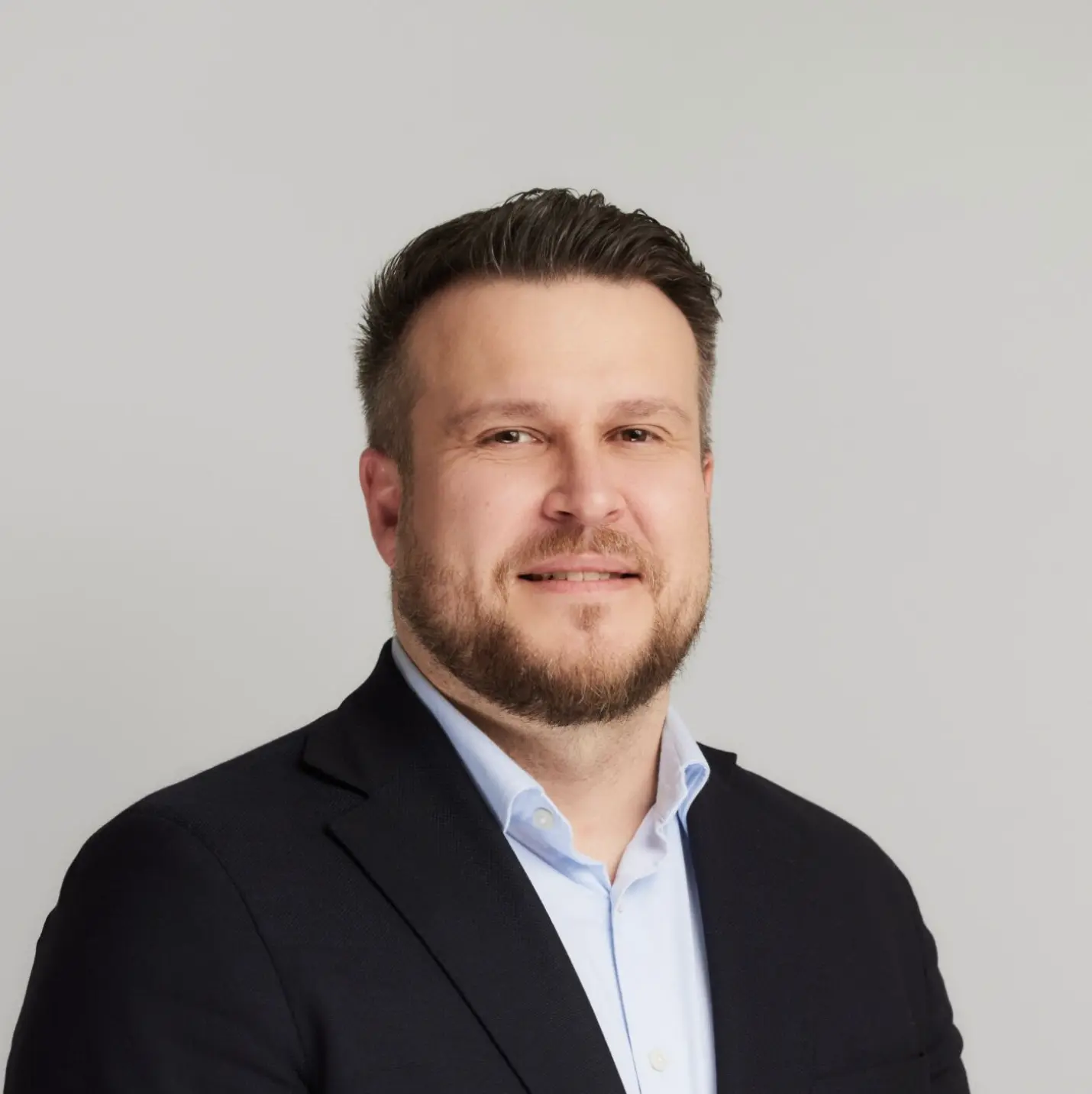
Tomi Väätäinen
Head of Sales, Inscripta
Would you like to hear more about the benefits of speech recognition?
Contact us and our experts will tell you more.
Inscripta’s speech recognition solution helps all healthcare professionals document faster and stress-free.