

Made in Finland, Designed for the Real World
Finland may be a small country, but it has a long tradition of building technology that works under real constraints. Highly digital public services, strict regulation, and complex language requirements create an unforgiving development environment.
Speech recognition built in this context has no room for shortcuts. It must be accurate. It must be secure. And it must work for real professionals in real workflows.
Finnish-developed speech recognition reflects this reality. It is shaped by close collaboration between developers, linguists, clinicians, and end users. Dialects, professional terminology, and everyday speech patterns are not edge cases, they are the starting point.
This is why technology developed in a small market can scale globally. When it works in the toughest conditions, it works anywhere.
Why the World’s Best Dictation Tools Aren’t Generic
Large technology platforms aim to serve billions of users. Healthcare dictation serves specific professionals with specific responsibilities. These goals are not the same.
The most effective dictation tools are built by teams that prioritize:
- Deep domain expertise
- Fast iteration based on user feedback
- Human support alongside technology
- Flexibility across professions and workflows
This combination creates trust. And in healthcare, trust determines adoption.
Choosing Substance Over Hype
The future of healthcare AI will not be decided by who automates the most. It will be decided by who supports professionals best.
Dictation-based speech recognition represents AI at its most practical: controlled, compliant, human-centered, and effective at scale. It proves that meaningful transformation does not require radical disruption, just the removal of unnecessary work.
In a world full of AI promises, the most powerful innovation may simply be this: letting professionals speak, stay in control, and spend their time where it matters most.
Built for the Long Term, Not the Launch
From a long-term perspective, the value of speech recognition is measured less by rapid adoption and more by sustained use. In healthcare, tools become part of daily practice for years, sometimes decades. That kind of longevity is only possible when technology providers commit to stability, transparency, and ongoing dialogue with their users.
Trust is built over time through consistent performance, clear communication, and respect for professional autonomy. Customers need to know not only that a solution works today, but that it will continue to evolve responsibly, without forcing sudden change, compromising compliance, or disrupting established workflows.
The real value of this technology isn’t just efficiency or speed, it’s confidence. Our customers need to trust that the system will recognize their voice, their terminology, and their way of working day after day. They need to know that their data is protected, that compliance is taken seriously, and that they are not locked into a black box they can’t influence. Long-term relationships are built when customers feel heard and supported, not pressured to adopt the next big thing. When professionals trust the technology, it becomes a natural part of their work rather than something they must think about. - Tomi Väätäinen, Head of Sales at Inscripta
In this sense, successful technology is not something that is simply deployed and replaced. It is something that grows alongside its users, quietly supporting their work, adapting to their needs, and earning trust one day at a time.
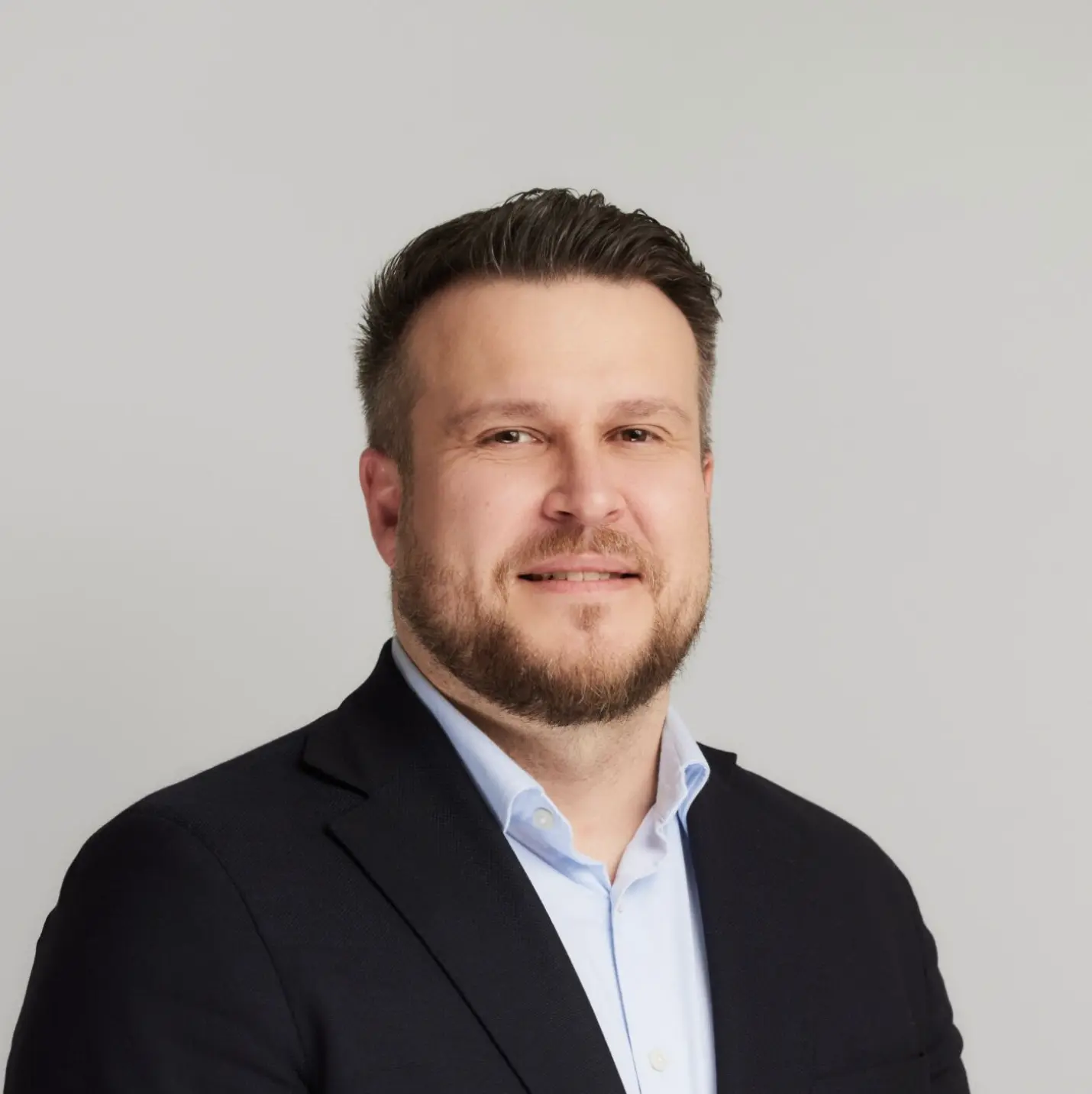
Tomi Väätäinen
Head of Sales, Inscripta


Would you like to hear more about the benefits of speech recognition?
Contact us and our experts will tell you more.
Inscripta’s speech recognition solution helps all healthcare professionals document faster and stress-free.